
 AFM Probes
 Calibration Standards
 AFM Resources
 Distributors
AFM Resources
A Soft Matrix Microenvironment Promotes Laterally Spreading Tumors via Oxidative Phosphorylation-Dependent Cell Adhesion
AFM probes used in the publication
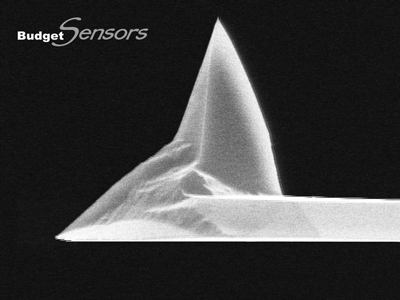
Multi75E-G
Tip Shape: Rotated
-
F75 kHz
-
C3 N/m
-
L225 µm
Abstract
Laterally spreading tumors (LSTs) are large, flat, early-stage precancerous colorectal lesions that are frequently overlooked during endoscopic examination and present distinct clinical challenges compared to conventional protruding adenomas (PAs). Despite similar histology, the distinct lateral growth of LSTs suggest underlying molecular differences that remain poorly understood. Here, we comprehensively profiled the molecular signatures, cellular phenotypes, and tumor microenvironments of LSTs, PAs, and adjacent normal tissues (NTs) using single-cell RNA sequencing and spatial transcriptomics, clinical specimens and patient-derived organoid models. LSTs exhibited a more malignant phenotype characterized by transcriptome-inferred high copy number variation (CNV) scores, stronger genetic correlation with colorectal cancer, and downregulation of adhesion molecules. Transcriptomic analyses revealed that this downregulation is closely associated with cytoskeletal depolymerization and enhanced oxidative phosphorylation (OXPHOS). Notably, LSTs reside in a softer extracellular matrix than PAs; organoid modeling indicated this environment promotes OXPHOS and modulates adhesion via the ENTPD1–ADORA2B axis. Integrating these observations, we propose a mechanochemical model where a soft matrix is coupled with OXPHOS and cytoskeletal remodeling through ENTPD1–ADORA2B, coinciding with adhesion suppression. These findings provide integrative insights into potential regulatory dynamics underlying LST lateral growth and highlight the ENTPD1–ADORA2B axis for future mechanistic investigation.